Writing is a Dangerous Act

I was about 10-years-old when my friends and I sat in our one-bedroom apartment in Mumbai. Neetu, one of my closest and chirpiest friends, had just got hold of my diary. She had discovered the bit where I confessed about having a crush on one of my neighbours. “Oh, my God!” she gushed as she read aloud details of how my pre-pubescent heart had helplessly fallen for this tall, dark and handsome fellow.
To my friends, it was all fun and banter. To me, a kid who kept to herself a lot, not only was it the end of a potential love story, it was also the end of me expressing my emotions - even if it was only to a blank piece of paper.
Or so I thought.
After my father’s death, I sought solace in the vastness of a blank page again. At 42, I began writing personal essays as a means of grieving, sharing my story in workshops and finding comfort in strangers who cared to listen.
It was no coincidence that I started writing in my midlife. I vomited my desperation in words, as a means of escape from the confusion of reaching a point in life where my old patterns didn’t serve me anymore.
For a neurodivergent Indian Muslim woman in her 40s, it became mindblowingly liberating to write about everything taboo in my culture. Every essay nudged me softly to shed a layer of mask. From challenging patriarchy, cultural-religious practices, and the system of marriage, to confronting intergenerational trauma, toxic familial patterns, my tumultuous experience of motherhood, and desire - I went on what felt like an orgasmic cleansing from every conditioning that was clogging my insides.
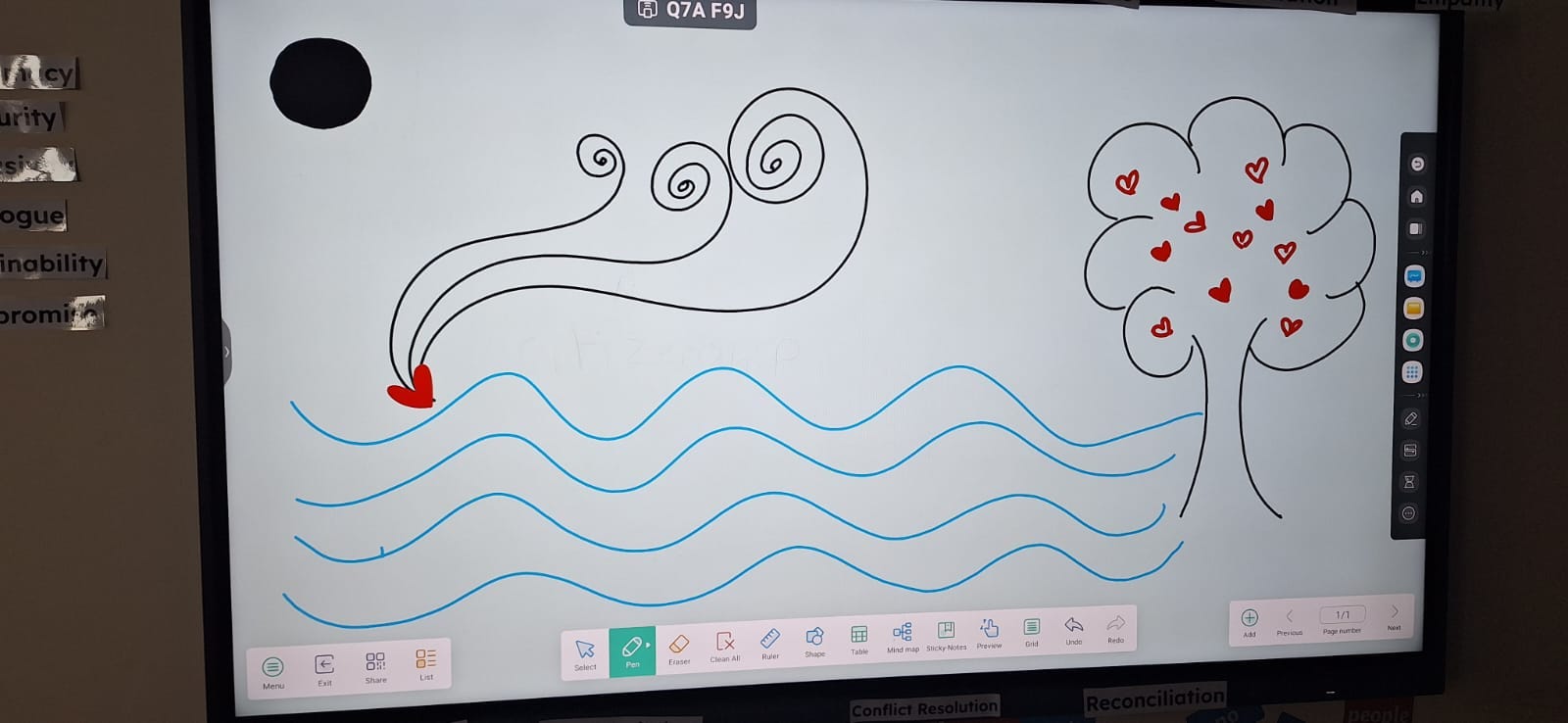
It was risky, of course. Apart from risking being judged, I also risked my relationships. Writing your story can burn bridges. On the other hand, it can also make way for new ones. Men and women slid into my DMs sharing their own stories and how they found my essays relatable.
The more you show up as your authentic self, the more authentic people you draw to yourself.
Writing brought with it therapy, community and forgiveness. It’s incredible how the more we write about hurt, the more we make space for joy.
Encouraged by my writing coach Natasha Badhwar, I began reading aloud my essays to my husband and children. Our everyday routine would come to a standstill as I read every word through a shaky voice and tear-filled eyes. My family suddenly witnessed the raw scars of this woman they see from morning to night - and yet had never truly known. The softening made room for confessions, apologies, and genuine, heartfelt gratitude for all of us.
However, the most revolutionary gift of writing for me is that once I overcame my initial reluctance and the shame and guilt of sharing not only my life but also that of my family’s, I felt free to have fun. When I started taking myself less seriously, writing surprised me with the gift of pleasure. This neurodivergent, middle-aged woman had found her stimulant, her nirvana. Writing to me is me coming back to my well-made bed after a long tiring day, forgetting the world as I throw myself in my lover’s arms.
To me, writing my story has been this intense, aggressively passionate act. It leaves me high, offering me an unmatched physical release. It’s that dance between two people making love - exposing the vulnerable depths you hide from others, the power struggle between you and your fragile ego, between your shy, fearful self and the fierce desire to surrender - to finally reach that euphoric peak.
Publishing my story is akin to the violent process of birthing - imagine a mother-to-be spreading her legs in front of strangers in a room - bleeding, screaming through contractions, crying, hurting, pushing. It’s embarrassing and yet, so brave, so essential. Then you see your baby, covered in mucus lining and blood - the overwhelming love and pride you experience in that moment, marveling at what you’ve created. That! That is what writing my story and sharing it with the world does to me.
You truly begin where your lies end. At the crossroads of scary new truths and comfortable old lies, which side do you pick? The raw, new version of you that you yourself are familiarizing with? Or the world of illusion that you had crafted so masterfully - a world everyone admired? What happens to those tied to your lies? What stays and what survives this rebirth? Who stays, and who no longer continues with the new you? Will your true self be palatable to those who preferred the older, more digestible you? How much does that matter?
You see? Writing, hence, is also a dangerous act. I now get why, in our society, are people so afraid of awareness, especially that of a woman’s. It still isn’t uncommon in my culture to hear things like:
“Zyada parh likh kar dimaagh kharaab ho jaata hai!” Too much education spoils the mind. It’s the radical thinking that makes them nervous.
You cannot box a free soul. A mind that reasons and a heart that desires more, breaks free. A free woman is a dangerous woman.
A blank paper, though, is very generous. It did not chastise me for abandoning it. It knew I was only scared, ashamed of being seen. It welcomed me with open arms, like a loving mother welcoming her child who shows up at her doorstep after wandering all day long.
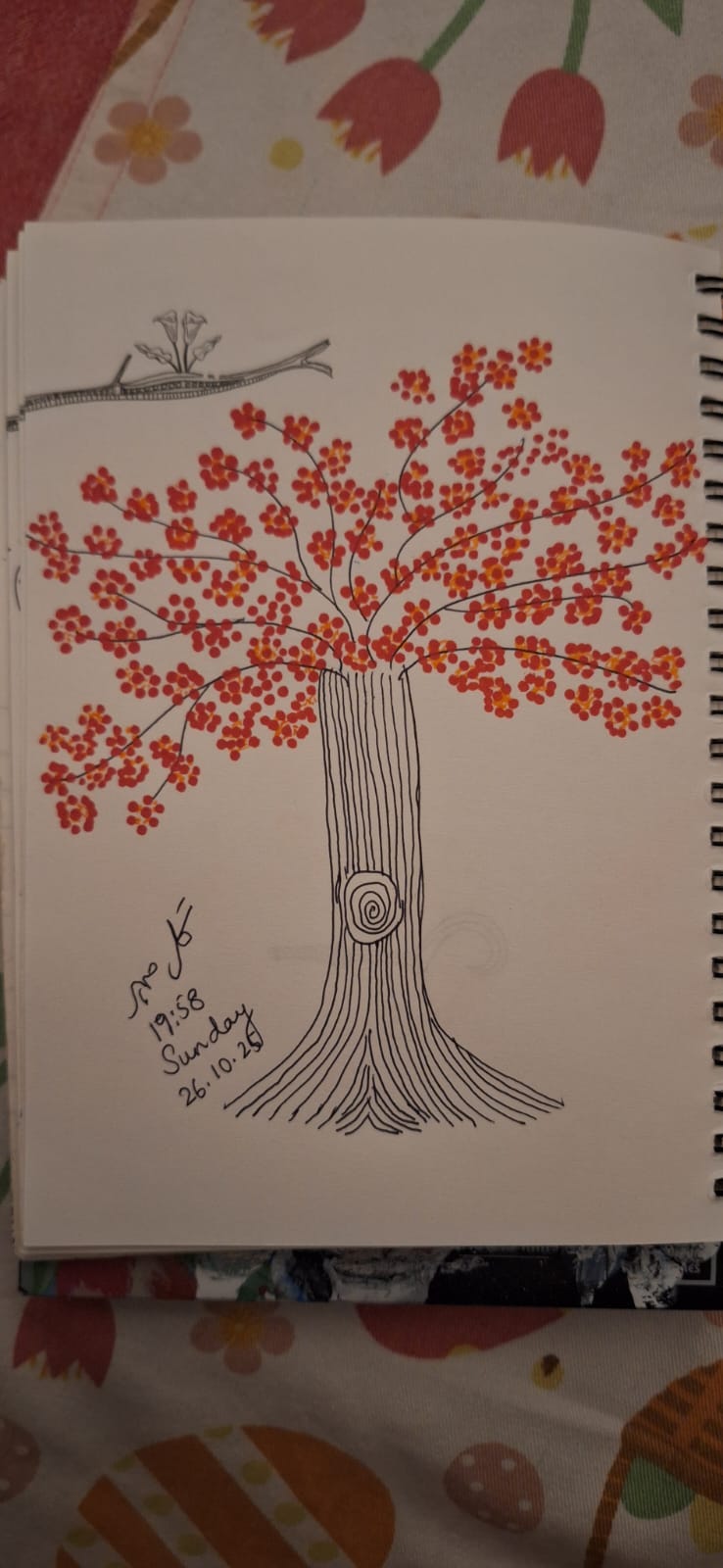
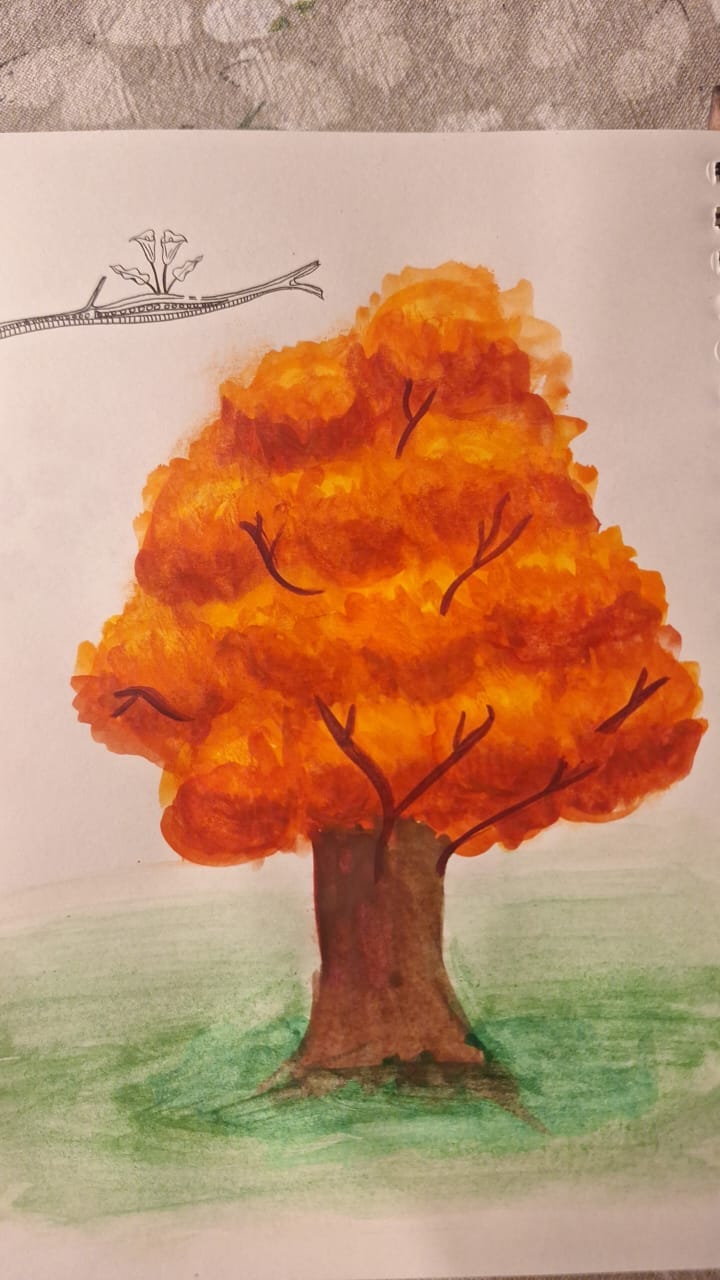
After about 35 years, with the help of another generous writing coach Raju Tai, I’ve begun journaling again. I’ve also started drawing, unafraid to leave my mark on paper - unafraid of being read aloud by a friend. Or family.
When I started writing personal essays, I used to be torn between ‘wanting to be seen’ and ‘not wanting to be seen too much’. Not anymore. As of now, I’d like to be seen just as is.
This is lovely--and reminds me of different parts of myself as well. (Which we all long to see when we read, don't we?) Looking forward to following along and discovering more of your heart!
I read this three times through teary eyes. So powerful and so empowering. Thank you for being you!